
Wednesday, August 26th, 2026
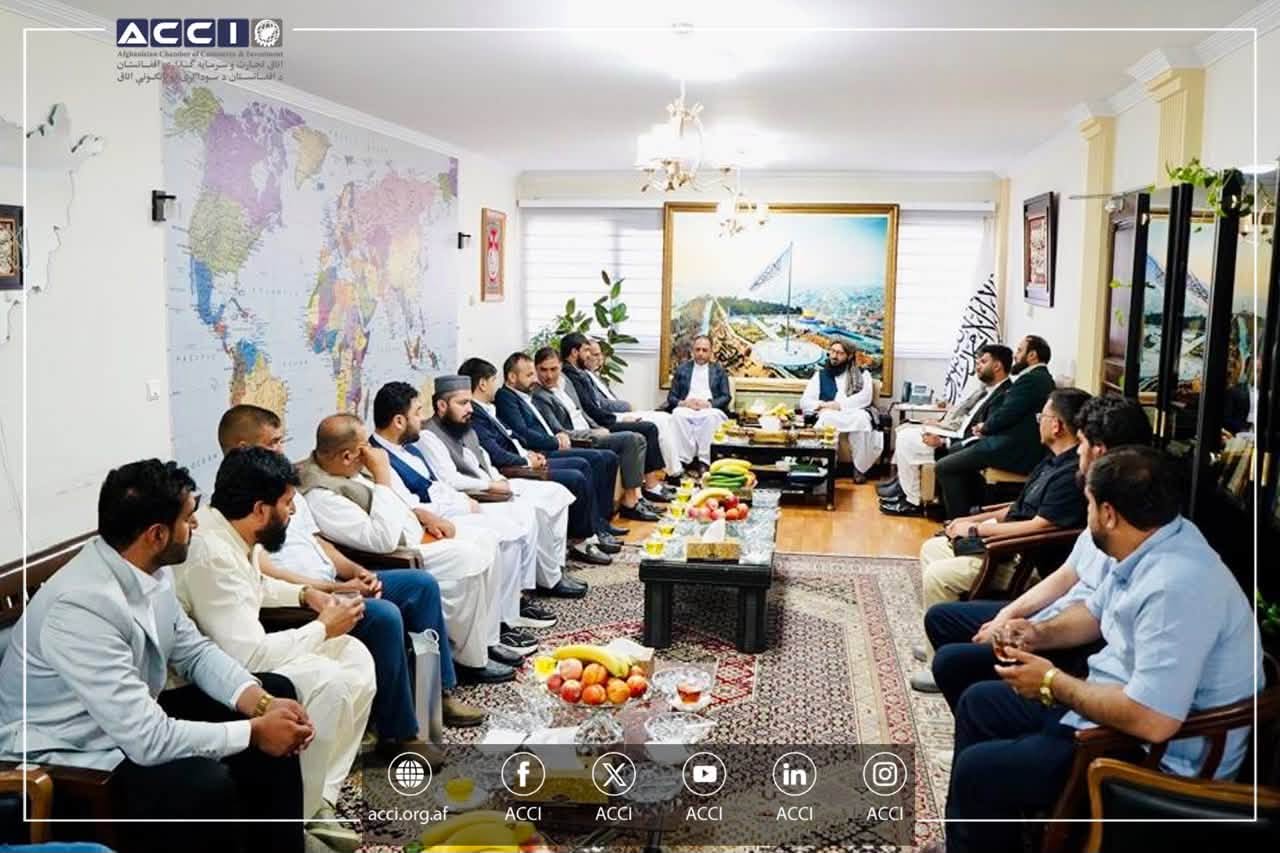
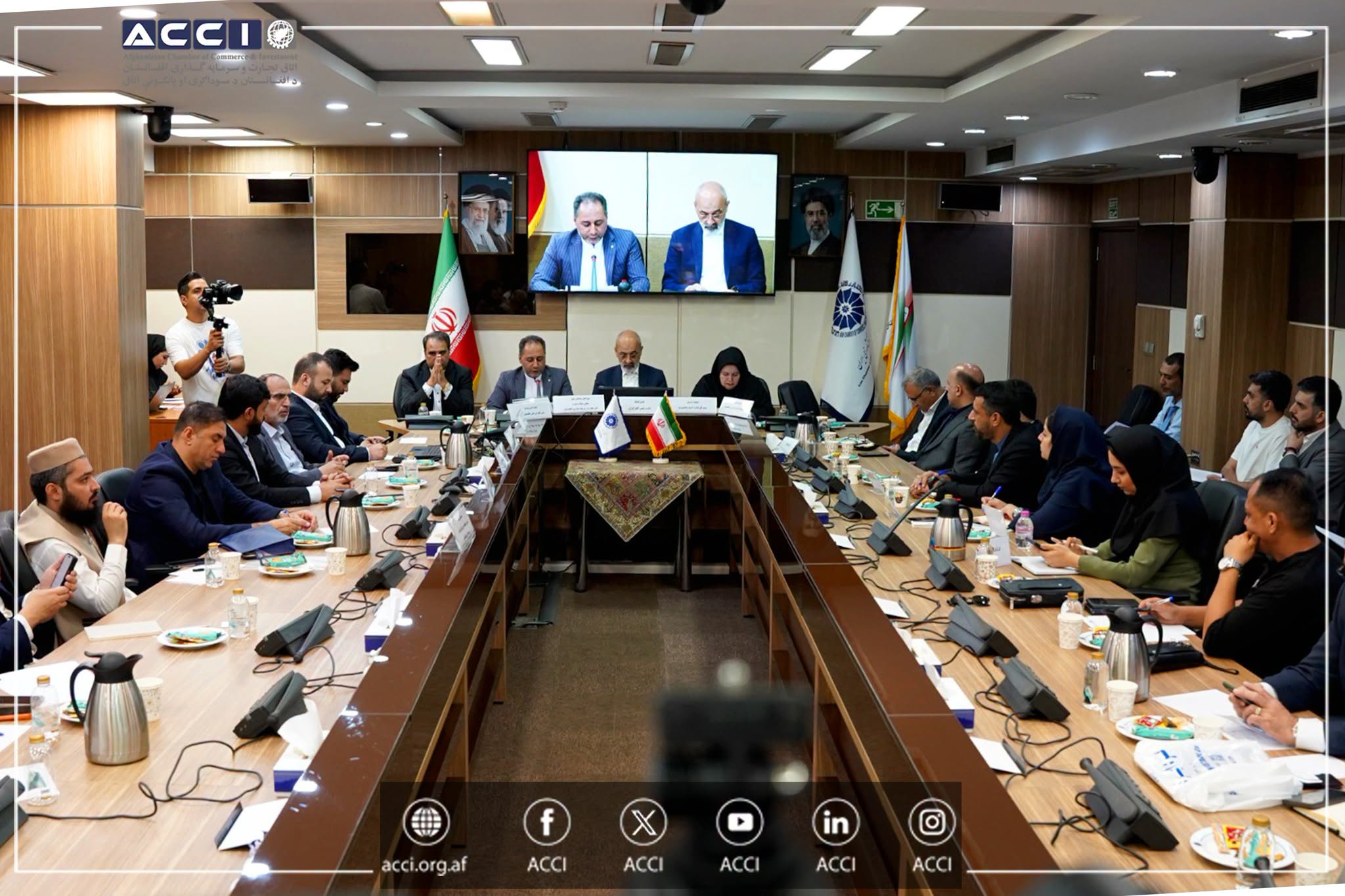
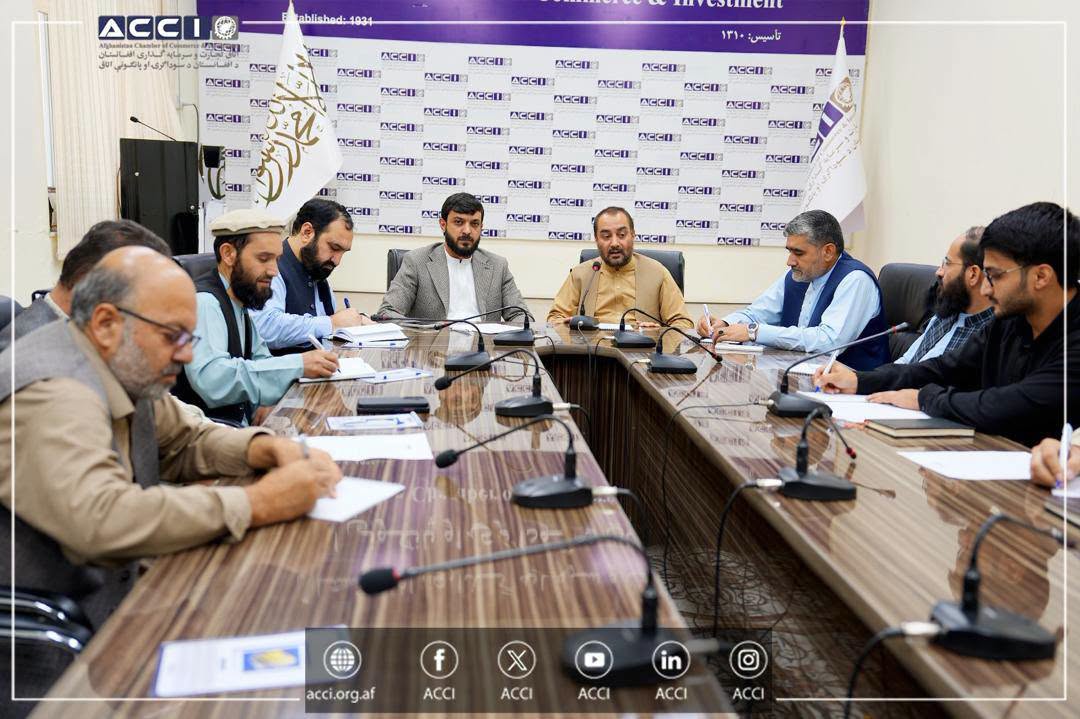
The meeting was attended by Mr. Mujib-ul-Rahman Shirzad, Deputy of the Board of Directors for Strategic Affairs; Mr. Zabihullah Samim, Member of the Board of Directors and Head of the Specialized Committee on Telecommunications, Information Technology and Artificial Intelligence; Mr. Zainullah Hassany, Acting CEO of the Executive Board and Deputy for Finance and Administration of the Executive Board and a number of committee members.
At the beginning of the meeting, Mr. Mujib-ul-Rahman Shirzad, Deputy of the Board of Directors for Strategic Affairs, emphasized the importance of holding regular and well-planned meetings of the specialized committees. He described the role of the Specialized Committee on Telecommunications, Information Technology and Artificial Intelligence as important and fundamental under the current circumstances, particularly in the growth and development of the private sector, trade, and investment.
He stated that information technology and artificial intelligence are essential requirements of the private sector and the modern economy, and that the proper use of these capacities can contribute to business growth, increased productivity, reduced costs, and the modernization of economic activities.
Mr. Shirzad emphasized the need to modernize and computerize companies, businesses, and investment activities. He called on the Head and members of the committee to comprehensively study the telecommunications, information technology, and artificial intelligence sectors, identify existing challenges and opportunities, and provide practical solutions for the development of these sectors.
He added that the committee should identify available opportunities for attracting domestic and foreign investment and play an active role in introducing and facilitating investment projects related to information technology, telecommunications, and artificial intelligence.
The Deputy of the Board of Directors for Strategic Affairs further emphasized the need for dialogue and coordination with the relevant government authorities regarding the problems and challenges facing the sector, so that existing issues can be identified and appropriate and practical solutions can be sought.
He also stressed the importance of using artificial intelligence in the development of national projects, infrastructure projects, investment projects, and business activities. He stated that AI capabilities should be effectively utilized in the design, management, analysis, and development of major projects in the country.
Mr. Mujib-ul-Rahman Shirzad further emphasized the need to digitalize and computerize all financial, administrative, and operational systems of the private sector.
He stated that all commercial and industrial companies, businesses, and enterprises should gradually be equipped with computerized and online systems so that their financial and administrative processes become faster, more transparent, more efficient, and easier to monitor.
He also emphasized the need to develop a specific plan to connect the financial and accounting systems of the private sector with the systems of the Ministry of Finance. He added that such a system could play an important role in preventing revenue leakage, increasing tax transparency, and simplifying tax procedures.
According to Mr. Shirzad, the proposed system should be designed in a way that allows the government to manage and collect revenues effectively and transparently, while enabling the private sector to fulfill its tax obligations easily, quickly, transparently, and online.
During the discussion, the proposal to establish an inter-institutional joint committee to review and finalize this plan was presented and emphasized. The proposed committee would consist of representatives from the Afghanistan Chamber of Commerce and Investment, the Ministry of Finance, Customs, the Revenue Department, the Treasury, the Central Bank, the Ministry of Industry and Commerce, and Da Afghanistan Bank.
The joint committee is expected to work on the connection and coordination of financial, administrative, commercial, and tax systems and examine the technical, financial, legal, and operational aspects of the plan, with the aim of developing it to a mature stage and creating the conditions for its practical implementation.
The main objectives of the plan were identified as preventing revenue leakage, increasing tax transparency, reducing bureaucracy and costs, simplifying tax services, and establishing an effective digital system between the private sector and government institutions.
Activities and Programs of the Specialized Committee
Mr. Zabihullah Samim, Member of the Board of Directors and Head of the Specialized Committee on Telecommunications, Information Technology and Artificial Intelligence, then provided information on the activities and programs of the committee.
He stated that the committee would provide specialized advice to relevant institutions, particularly in the areas of modern technologies, digital systems, and artificial intelligence.
The Head of the Committee also outlined the committee's plans for assessing the condition of the sector, identifying investment opportunities, identifying challenges facing the private sector, and providing practical solutions for the development and effective use of technology.
Subsequently, Mr. Zainullah Hassany, Acting CEO of the Executive Board and Deputy for Finance and Administration of the Executive Board of the Afghanistan Chamber of Commerce and Investment, emphasized the need for the private sector to provide simple, fast, transparent, and affordable services through the use of modern technology.
He described the use of digital and computerized systems as important for improving service quality, reducing costs, increasing transparency, and creating greater convenience for citizens and economic actors.
Noor Khurasan Company's Investment in Smart Electricity Systems
In the final part of the meeting, Mr. Ahmad Fawad Dara, representative of Noor Khurasan Company, provided comprehensive information about the company's plans to invest in the production and distribution of digital and smart electricity meters in Afghanistan.
He stated that Noor Khurasan is a domestic company planning to invest in the production of digital and smart electricity meters inside Afghanistan and to manufacture and distribute these meters domestically.
The representative of Noor Khurasan Company also announced the company's plan to introduce and implement an advanced international system in Afghanistan, which could facilitate the computerization and digitalization of various electricity supply services.
According to the information presented, with the implementation of this system, all aspects of electricity services—including measuring and recording electricity consumption, meter reading, calculation and issuance of electricity bills, and bill payments—could be conducted online and through computerized systems.
The system could provide accurate information on electricity consumption, help prevent waste and unnecessary electricity use, increase transparency in electricity billing and payment processes, and reduce operational costs, thereby contributing to the modernization of the country's electricity supply system.
He added that the digitalization of electricity services could reduce costs, provide significant convenience for consumers, and facilitate better energy-consumption management and faster and more efficient service delivery.
The representative of Noor Khurasan Company also announced the company's readiness to make a comprehensive and beneficial investment in Afghanistan's smart electricity supply systems and to provide financial and technical facilities in this area.
Conclusion
At the end of the meeting, participants emphasized the importance of developing and utilizing information technology, digital systems, and artificial intelligence in the private sector and the country's economy.
They also emphasized studying the opportunities and challenges of the sector, attracting investment, addressing problems through coordination with relevant government authorities, computerizing companies' financial and administrative systems, establishing connections between private-sector systems and tax institutions, and utilizing artificial intelligence in national and investment projects.
The establishment of a joint committee among the relevant institutions to work on the digitalization plan and the integration of private-sector systems with the government's tax and revenue systems was also highlighted as one of the key issues discussed during the meeting.
The meeting was attended by Mr. Mujib-ul-Rahman Shirzad, Deputy of the Board of Directors for Strategic Affairs; Mr. Zabihullah Samim, Member of the Board of Directors and Head of the Specialized Committee on Telecommunications, Information Technology and Artificial Intelligence; Mr. Zainullah Hassany, Acting CEO of the Executive Board and Deputy for Finance and Administration of the Executive Board and a number of committee members.
At the beginning of the meeting, Mr. Mujib-ul-Rahman Shirzad, Deputy of the Board of Directors for Strategic Affairs, emphasized the importance of holding regular and well-planned meetings of the specialized committees. He described the role of the Specialized Committee on Telecommunications, Information Technology and Artificial Intelligence as important and fundamental under the current circumstances, particularly in the growth and development of the private sector, trade, and investment.
He stated that information technology and artificial intelligence are essential requirements of the private sector and the modern economy, and that the proper use of these capacities can contribute to business growth, increased productivity, reduced costs, and the modernization of economic activities.
Mr. Shirzad emphasized the need to modernize and computerize companies, businesses, and investment activities. He called on the Head and members of the committee to comprehensively study the telecommunications, information technology, and artificial intelligence sectors, identify existing challenges and opportunities, and provide practical solutions for the development of these sectors.
He added that the committee should identify available opportunities for attracting domestic and foreign investment and play an active role in introducing and facilitating investment projects related to information technology, telecommunications, and artificial intelligence.
The Deputy of the Board of Directors for Strategic Affairs further emphasized the need for dialogue and coordination with the relevant government authorities regarding the problems and challenges facing the sector, so that existing issues can be identified and appropriate and practical solutions can be sought.
He also stressed the importance of using artificial intelligence in the development of national projects, infrastructure projects, investment projects, and business activities. He stated that AI capabilities should be effectively utilized in the design, management, analysis, and development of major projects in the country.
Mr. Mujib-ul-Rahman Shirzad further emphasized the need to digitalize and computerize all financial, administrative, and operational systems of the private sector.
He stated that all commercial and industrial companies, businesses, and enterprises should gradually be equipped with computerized and online systems so that their financial and administrative processes become faster, more transparent, more efficient, and easier to monitor.
He also emphasized the need to develop a specific plan to connect the financial and accounting systems of the private sector with the systems of the Ministry of Finance. He added that such a system could play an important role in preventing revenue leakage, increasing tax transparency, and simplifying tax procedures.
According to Mr. Shirzad, the proposed system should be designed in a way that allows the government to manage and collect revenues effectively and transparently, while enabling the private sector to fulfill its tax obligations easily, quickly, transparently, and online.
During the discussion, the proposal to establish an inter-institutional joint committee to review and finalize this plan was presented and emphasized. The proposed committee would consist of representatives from the Afghanistan Chamber of Commerce and Investment, the Ministry of Finance, Customs, the Revenue Department, the Treasury, the Central Bank, the Ministry of Industry and Commerce, and Da Afghanistan Bank.
The joint committee is expected to work on the connection and coordination of financial, administrative, commercial, and tax systems and examine the technical, financial, legal, and operational aspects of the plan, with the aim of developing it to a mature stage and creating the conditions for its practical implementation.
The main objectives of the plan were identified as preventing revenue leakage, increasing tax transparency, reducing bureaucracy and costs, simplifying tax services, and establishing an effective digital system between the private sector and government institutions.
Activities and Programs of the Specialized Committee
Mr. Zabihullah Samim, Member of the Board of Directors and Head of the Specialized Committee on Telecommunications, Information Technology and Artificial Intelligence, then provided information on the activities and programs of the committee.
He stated that the committee would provide specialized advice to relevant institutions, particularly in the areas of modern technologies, digital systems, and artificial intelligence.
The Head of the Committee also outlined the committee's plans for assessing the condition of the sector, identifying investment opportunities, identifying challenges facing the private sector, and providing practical solutions for the development and effective use of technology.
Subsequently, Mr. Zainullah Hassany, Acting CEO of the Executive Board and Deputy for Finance and Administration of the Executive Board of the Afghanistan Chamber of Commerce and Investment, emphasized the need for the private sector to provide simple, fast, transparent, and affordable services through the use of modern technology.
He described the use of digital and computerized systems as important for improving service quality, reducing costs, increasing transparency, and creating greater convenience for citizens and economic actors.
Noor Khurasan Company's Investment in Smart Electricity Systems
In the final part of the meeting, Mr. Ahmad Fawad Dara, representative of Noor Khurasan Company, provided comprehensive information about the company's plans to invest in the production and distribution of digital and smart electricity meters in Afghanistan.
He stated that Noor Khurasan is a domestic company planning to invest in the production of digital and smart electricity meters inside Afghanistan and to manufacture and distribute these meters domestically.
The representative of Noor Khurasan Company also announced the company's plan to introduce and implement an advanced international system in Afghanistan, which could facilitate the computerization and digitalization of various electricity supply services.
According to the information presented, with the implementation of this system, all aspects of electricity services—including measuring and recording electricity consumption, meter reading, calculation and issuance of electricity bills, and bill payments—could be conducted online and through computerized systems.
The system could provide accurate information on electricity consumption, help prevent waste and unnecessary electricity use, increase transparency in electricity billing and payment processes, and reduce operational costs, thereby contributing to the modernization of the country's electricity supply system.
He added that the digitalization of electricity services could reduce costs, provide significant convenience for consumers, and facilitate better energy-consumption management and faster and more efficient service delivery.
The representative of Noor Khurasan Company also announced the company's readiness to make a comprehensive and beneficial investment in Afghanistan's smart electricity supply systems and to provide financial and technical facilities in this area.
Conclusion
At the end of the meeting, participants emphasized the importance of developing and utilizing information technology, digital systems, and artificial intelligence in the private sector and the country's economy.
They also emphasized studying the opportunities and challenges of the sector, attracting investment, addressing problems through coordination with relevant government authorities, computerizing companies' financial and administrative systems, establishing connections between private-sector systems and tax institutions, and utilizing artificial intelligence in national and investment projects.
The establishment of a joint committee among the relevant institutions to work on the digitalization plan and the integration of private-sector systems with the government's tax and revenue systems was also highlighted as one of the key issues discussed during the meeting.